Sterling
Lab
Puppies
History of the Labrador
Characteristics of Labradors
History of the Labrador
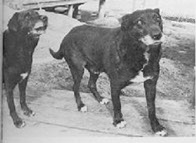 Many people have grown to believe that the Labrador Retriever came from Labrador. Well that is a misnomer indeed as the Labrador actually came from Newfoundland. During the 19th century, small water dogs were bred with Newfoundlands. The dog they came up with was what they called the St. John's Water Dog or the St. John's Newfoundland and is today known as the Labrador Retriever. These dogs were short-haired and black, with the built in skills for retrieving fish and game. They were also used to tackle the icy waters to retrieve the fishermen's nets.
Soon in Newfoundland a quarantine law and dog tax was imposed which led to the Labrador Retriever dying out in Newfoundland. The breed though had already found its way to England during the 19th century and this ensured the continuance of the breed. Once in England the breed thrived and gained tremendous popularity until the 20th century when the breed expanded to include the yellow and chocolate colors of the lab.
First Recognized by the AKC in 1917 as its own specific breed, today the popularity of the Labrador Retriever is greater than ever. The Labrador Retriever is considered by many today to be the most versatile breed of dog there is and that is evidenced by them being the number one registered dog breed in the United States and the United Kingdom today.
Some of the many uses for labs other than just a companion include drug sniffing dogs, hunting dogs, tracking dogs, guide dogs, service dogs, search and rescue dogs, obedience dogs, working dogs, and Dock Dogs. Yes, the Labrador Retriever is even the most popular dog breed in the sport of Dock Dogs today.
 The main characteristics of Labradors are their coat, tail, head and temperament. They have a double coat: a soft, downy undercoat that keeps them dry and warm in cold water and a hard outer coat that helps them repel water. There tail should not be carried over the back nor should it have a curl to it. It should, however, be at exactly coffee table height and always be ready to swipe one clean. Their head is clean cut and broad if they are english labrador or narrow if they are field lines, with hanging ears. Their expression is alert and intelligent and conveys a kind, friendly temperament.
Their best feature is their temperament. Labs are loving, people oriented dogs. They are happiest when they are with you. Labs are retrievers and will bring you things they find laying about your house or yard. They tend to be quite patient with children and wonderful family dogs. They are not guard dogs. They may bark protectively, but will generally not act more aggressively. Labs are wonderful people dogs, more likely to lick someone to death than hurt them. They tend to be stable, not easily upset by strange things or occurrences. They will take many things in stride.
In the U.S., there are two distinct "lines" of Labradors: field lines and show lines. Field line Labradors have been bred with an emphasis on field or hunting ability, and show line Labradors have been bred with an emphasis on conformation and mellow temperament great for families. Dogs from field/hunting lines will generally have a lot of drive, and will often exhibit endless amount of energy. Which can get them into trouble. The field/hunting Labrador will poss lighter bone structure, smaller body size and exhibiting more length of leg, a less dense coat, and a narrower head with more length of muzzle.
Dogs from conformation/show lines or “English” labrador is generally thought of as a stockier dog, heavier of bone and shorter on leg and with a denser coat, and having a head often described as "square or blocky. Their tail, described best as an otter tail, is thick at the base and tapers to a narrower point. The English labrador " might not be as fast, but most are capable hunters, though not necessarily field trial material.
Labrador Retrievers are people- and action- oriented dogs, and can become bored if left to their own devices. Untrained, they can be unmanageable due to their size and enthusiasm. Unexercised, they will often turn to destruction or escape to alleviate boredom and excess energy. They require attention and love as much as food and water. Labradors are easy to train which makes obedience work a fun way to interact with your dog. Labradors also require plenty of exercise -- this is especially true since most Labs love to eat! Ensuring they get proper exercise, training, and attention will give you a happy, healthy Labrador.